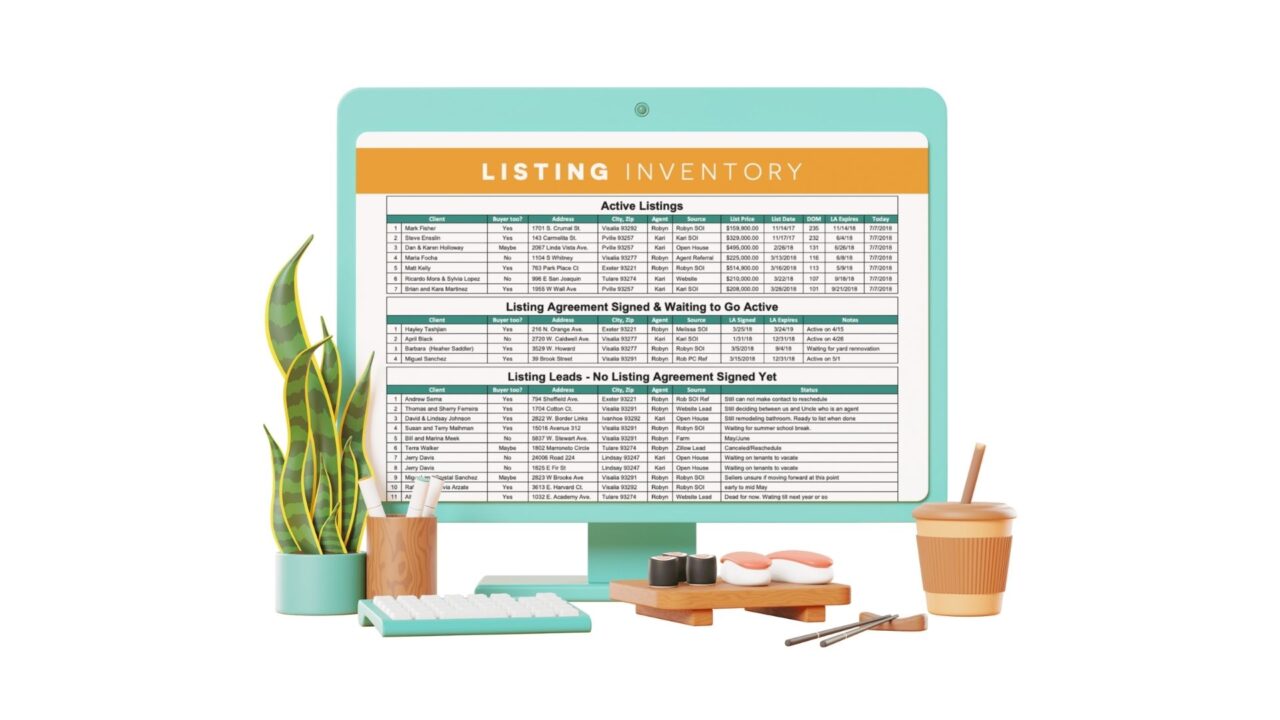
Learn how agents handle homes that take longer to sell by using this systematized process for setting & managing client expectations throughout the entire process.
If your listings are sitting longer than they used to, you’re not doing something wrong — you’re just operating in a market most agents haven’t seen since 2007-2008. And if you don’t adjust how you manage listings and seller expectations, you’re going to burn out, lose clients, and leave money on the table.
Here’s the truth: how agents handle homes that take longer to sell is what separates the professionals from the ones who panic. And right now, this skill matters more than it has in over a decade.
Let’s break it down.
VIDEO: How Agents Handle Homes That Take Longer to Sell
Agents Don’t Sell Houses. Houses Sell Houses.
I know that’s not what sellers want to hear. And honestly, it’s not what a lot of agents want to admit either. But it’s the truth.
All we can do is expose the property. We price it right, we get it in front of as many eyeballs as possible, and then we let the market do its job. We’re not selling bags of oranges on the side of the freeway. This is real estate. The house either attracts a buyer or it doesn’t — and price is almost always the reason it doesn’t.
Condition matters too, but guess what? Condition is really just a price conversation. You can always adjust the price to account for condition. Don’t let sellers convince you that staging or fresh paint is going to save a listing that’s $40,000 overpriced.
So when listings start sitting, your job isn’t to work harder on the marketing. Your job is to manage expectations, track the data, and guide your seller to the right price.
The Magic Month: Your One Real Window
Here’s a concept every listing agent needs to understand right now: the Magic Month.
When a listing goes live, it gets a massive spike in online views within the first 30 days. Buyers, agents, and curious neighbors all check it out. That traffic is real, it’s valuable, and it doesn’t come back.
By the time you hit day 30, views start declining. If you didn’t get showings and offers in that window, you’ve got a problem — and no amount of open houses or social media posts is going to replicate that initial surge.
This is why pricing conservatively from day one is so critical. If you go live overpriced, everyone’s going to look and pass. You’ve wasted your Magic Month, and now you’re chasing the market with price reductions that don’t generate the same interest.
Price it right from the start — ideally at or slightly below market — and your goal is multiple offers in that first 30 days. Multiple offers let you drive the price up, get buyers waiving contingencies, and create real competition. That’s the play. And you only get one shot at it.
Watch the full video here to see how I walk through this with agents on my team.
-
Quick View
ADMIN: The Training Process for Real Estate Administrative Assistants (Icenhower Institute)

$299ICT Online CourseADMIN: The Training Process for Real Estate Administrative Assistants
Add to CartMaster the systems and skills every real estate admin needs to support top agents and growing teams.
-
Training for key roles: Listing Manager, Transaction Coordinator, Office Administrator
-
Systems, checklists, and dashboards to streamline operations
-
Listing management from pre-listing through closing
-
Lead tracking and accountability tools
-
Strategies to free agents’ time for production
-
Downloadable forms, templates, and checklists
Create Structure & Systems
Learn how to implement checklists, dashboards, and tracking tools that keep your agents and business organized.

Master the Admin Role
Gain step-by-step training for listing management, transaction coordination, and day-to-day operational support.

Boost Team Productivity
Understand how to free up agents’ time by streamlining processes, ensuring accountability, and driving efficiency across the office.
Designed for all learning types
Video Training
In-depth video training walking you through each module of the course, explaining the strategies, tips, and best practices for using Canva for real estate agents.Written Workbook
Detailed and downloadable written workbook that provides you with a bullet point outline, summarized text, action steps, key takeaways, as well as space for taking notes.Instructor Materials
Teach this course at your organization with the help of our downloadable presentation notes, presentation files, and Instructor's Manual.Mergers & Acquisitions
Click to watch more about this real estate training course
Program curriculum
Enrollment includes access to the following course materials for 6 months.
Module 1: Introduction- Module 1 Workbook: Introduction
- Video: Communication Foundations
- Get to know the DISC Profiles
- Module 2 Workbook: Understanding Job Roles
- Video: Job Roles for Admin Staff
- The Solution Triangle
- Module 3 Workbook: The Administrative Manager
- Video: The Administrative Manager: Creating Structure
- Sample Weekly Calendar
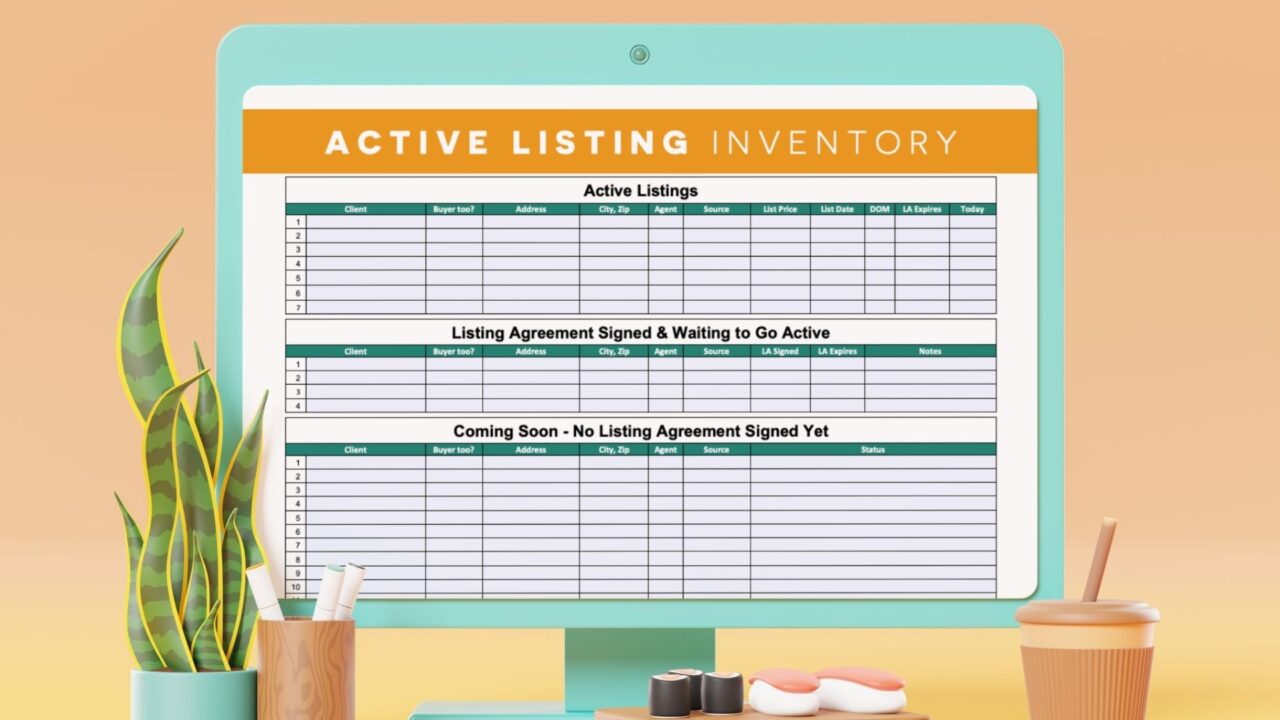
- Active Listing – blank (fillable)
- Sample Buyer Inventory
- Daily Contact Form (fillable)
- Sample Year-to-Date Check-Up Form 1
- Sample Year-to-Date Check-Up Form 2
- Lead Tracking Sheet (fillable)
- Sample Pending Inventory Pipeline
- Sample Dashboard 1
- Sample Dashboard 2
- Year-to-Date Check-Up Form (fillable)
- Active & Pending Inventory Lists (fillable)
- ICC Team Dashboard (fillable)
- Module 4 Workbook: The Listing Manager
- Video: The Listing Manager: From Listing to Contract
- Listing and Pre-Listing Checklists
- Listing to Contract Checklist
- Pre-Listing Checklist
- Seller Lead Sheet
- Assistant’s First Call Checklist
- Assistant’s First Call Checklist (fillable)
- Defining Moments in Real Estate Transactions
- Module 5 Workbook: The Transaction Coordinator
- Video: The Transaction Coordinator: From Contract to Closing
- Buyer-Seller Checklist
- Active Listing – blank (fillable)
- Buyer Closing Checklist
- Buyer Inventory
- Buyer Lead Sheet (fillable)
- Listing Inventory
- Pending Contracts – blank (fillable)
- Pending Inventory Pipeline
- Seller Closing Checklist
- Buyer and Seller Checklists (fillable)
- Module 6 Workbook: The Marketing Director
- Video: The Marketing Director: Building your real estate business
- Buyer Closing Checklist
- Client Event Contact Plan
- Listing to Contract Checklist
- Script: Contacting past and existing clients
- Pre-Listing Checklist
- Seller Closing Checklist
- Module 7 Workbook: Your Sphere of Influence
- Video: Your Sphere of Influence
- Team Scoreboard
- Graphic: The SOI Core
- Video: Enhancing the Client Experience
- Defining Moments in Real Estate Transactions
- Workbook: Managing Virtual Assistants & Remote Workers
- Video: Managing Virtual Assistants & Remote Workers
- Workbook: Creating the Ultimate Client Experience
- Video: Creating the Ultimate User Experience
- Policies and Procedures Handbook
- First Day Welcome Orientation Checklist
- First Quarter Checklist – Admin – alternate
- Editable First Day Welcome Orientation Checklist
- Workbook: Conclusion
- Video: Above and Beyond
- Leader vs Manager
- Production Growth Budget Schedule
- Staff Self-Performance Appraisal
- Sample Team Annual Business Plan
- Editable Blank Business Plan
- Editable Blank Action Steps

About this course
- $299.00
- 79 lessons
- 5 hours of video content
Reviews
"I use ICT systems, the Icenhower Institute, and the coaching program to coach and train my team of over 30 agents. I use the ICT dashboard systems to keep my entire team accountable for their activities and set proper expectations."

Jake Rockwell
Over 500 Units Sold Annually
"I have coached with ICT for over five years. ICT has helped me quadruple my luxury business through marketing strategies so that I receive listings and sales through lead generation and multiple pillars of income."

Dennis Adelpour
Luxury Agent - West Los Angeles
"When we started coaching with ICT we worked all the time with some degree of success. Now, seven years later, we have grown to have the #1 market share in our area, we more than tripled our income and production, while also improving our work-life balance to enjoy our personal life with family and friends."

Tammi Humphrey
#1 Market Share & 100 Million in Annual Sales Volume
Instructor
Brian Icenhower.
Having someone back in the office helps agents amplify their sales potential. They can focus on generating business, following up on leads, conducting appointments, and writing offers/negotiating contracts -- all things that create more income.
This 9-module course not only identifies the four key roles of a real estate assistant, but it also breaks down the precise workflows when serving as a listing manager, transaction coordinator, marketing director, and administrative manager.
Whether you’re an agent learning how to train your assistant, an assistant looking for your own training process, or you’re both reading through these materials together, this course provides the explanations and concrete examples of best practices in real estate offices so you don’t have to.

Make administrative tasks easy.
Whether you’re an assistant or a solo agent, systematizing adminstrative processes will increase your efficiency. This course gives you the strategies, tools, and techniques to master administrative processes so your agents are free to focus on generating, nurturing, and converting leads. Add to Cart Add to CartTalk to a coach
If you've been considering hiring a coach, now's the time. Book a FREE coaching consultation session with your purchase of this course! Book Your Call

See all courses
-
-
Quick View
Team Coaching Program
$1,250 / monthThe Team Real Estate Coaching Program is for smaller teams looking for internal structure, leverage and leadership.

How Agents Handle Homes That Take Longer to Sell: The Weekly Reporting System
Once you’re past the Magic Month and the listing is still sitting, the most important thing you can do is communicate consistently with your seller. Not because it’ll sell the house — it won’t — but because it builds trust, sets proper expectations, and keeps sellers from calling you every weekend in a panic.
Here’s what your weekly seller report should include:
- Total online views (MLS, Zillow, Realtor.com, Homes.com)
- Number of showings and any feedback received
- Open houses held
- Social media activity
- Any mailers or prospecting calls made around the listing
- Key dates and deadlines if you’re under contract
Every single week. Without fail. This is what a professional operation looks like. If you’ve got an admin, this is their job. If you don’t, you build the habit yourself until you do.
The reason this matters: if your sellers are calling you with questions, you’ve already got a customer service problem. Clients shouldn’t be calling you. Think about it — when’s the last time you called a company you were totally happy with? You don’t. You only call when something feels off or you don’t know something you should have been told.
Get out in front of it. Every Thursday, that email goes out. Every week, they see the data. And here’s the best part — when it’s time to talk about a price reduction, they’ll bring it up themselves. You don’t have to convince them. They’ll see the views dropping off and say, “I think we need to drop the price.” That’s what happens when you communicate consistently and educate your sellers upfront.
Price Reduction Triggers: What the Data Tells You
Here’s a simple framework based on NAR showing guidelines that tells you when it’s time to have the price conversation:
- No showings in 7-10 days? Consider a 5-10% price reduction.
- 10-12 showings and no offers? Consider a 3-5% reduction.
- Getting showings but still no offers? Consider 1-3% reductions until you find market value.
If you’re getting tons of online views but no showings, the price is the problem. Everyone’s looking and walking away before they even schedule a tour.
If you’re getting showings but no offers, you’re close — but buyers aren’t seeing the value at that price point. Maybe the condition needs work, maybe it’s just priced slightly high. Either way, it’s still a price conversation.
The exception is unique properties. A $10 million estate or a rare ranch property might just need more patience and a different buyer. But that expectation has to be set at the listing appointment — not six weeks in when your seller is frustrated.
You’re Going to Have to Carry More Listings
This is the part agents don’t want to hear, but it’s real: if you want to do the same volume in a slower market, you need two to three times the listing inventory you were used to carrying.
That’s not a bad thing. It’s just math. Listings take longer, so you carry more of them at once. That means your systems, your admin support, and your communication processes have to be built to handle it. You can’t wing this with 20 listings in your pipeline.
Build the weekly reporting process. Set expectations at every listing appointment. Explain the Magic Month before you go live. And carry the inventory knowing that some of these will take time — and that’s okay if you’re managing it right.
Set Expectations at the Listing Appointment — Every Time
Every seller conversation needs to include this before you go live:
- We get one chance to make a first impression online.
- The Magic Month is our window. After 30 days, views drop.
- 95% of buyers are represented by agents. We’re marketing to agents, not the public.
- If we’re overpriced at launch, we waste our best shot.
- Here’s what I’ll be sending you every week so you always know where we stand.
Most sellers don’t know that agents market to other agents, not directly to buyers. When you explain that, it shifts the whole conversation. It builds trust. It positions you as the professional who actually knows how this works.
And when the market is soft and listings are sitting, that education is what keeps your clients from blaming you for something that’s a function of price and patience — not effort.
Bottom Line
How agents handle homes that take longer to sell comes down to three things: proper pricing from day one, consistent weekly communication with data to back it up, and clear expectations set before the listing ever goes live.
This isn’t complicated. But it does require systems, discipline, and the willingness to have honest conversations with your sellers — even when it’s uncomfortable.
Watch the full video to see the exact weekly reporting format I use with my team, including the price reduction triggers and the listing communication checklist.
Want to build the systems that support a real listing business? Subscribe to the ICT YouTube channel, follow us on social, or reach out to Icenhower Coaching & Training to learn how we help agents at every level build the skills and structure to grow in any market.
Video Transcript
Prefer to read along? Here’s the full transcript from this training video.
When listings are taking longer to sell — which hasn’t really happened in a very long time — it usually happens in buyer’s markets or as we’re heading toward buyer’s markets. As people are getting their price expectations shifted downward, listings take longer.
And quite frankly, as agents, we just have to carry more listings. We have to get used to it, which is hard because you’ve got all these sellers who are upset. We start thinking we’re going to try harder to sell that house. But agents don’t sell houses. The house sells the house. All we can do is price it right — or have patience. That is it.
Now, the condition of the home can help, but that really falls under price. You can always reduce the price to account for condition.
We’re not selling bags of oranges or salted peanuts on the freeway. This is a house. All we can do is expose it. We bait the hook and it goes out on all these online listing platforms. 95% of home buyers use an agent to find the home they’re going to buy. The other 5% are usually home builders and a small sliver of for sale by owners.
If we’re going to market to 95% of the agents, they’re going to look on the multiple listing service or other online listings. Our job is exposure.
There’s a concept called the Magic Month. In the first 30 days, if you are tracking the online views of a listing, you’re going to see a huge spike. It gets really high, and then toward the end of those first 30 days, it starts to drop off.
We have to get maximum exposure and offers in that first 30 days — or we are already thinking price reduction. We have to show sellers we’re doing our job during the Magic Month. You can go into your MLS system and see how many agent views and public views there are. You can go to the Zillow listing and track the Zillow views. You can go to Realtor.com and track the online views. You can go to Homes.com and pull the report there.
With all of our listings, we have to be doing this every single week and sending that data to our clients every single week. It’s tough to do on your own if you’ve got 20 listings, but if you’ve got an admin, this is part of their regular weekly routine.
The only thing we control is exposure. This conversation has to happen at the listing appointment. When we’re talking about price, say: “It’s up to you on the price. I’m just going to give you advice. And I can tell you right now — if we miss the Magic Month because we’re overpriced, the minute we go live we’re going to get the most exposure we’ll ever get. If we’re overpriced, everybody’s going to look and move on.”
All I can do is put this out there and do the best job with the best photos, put it in the best light with the best information. You’re going to get to look at the MLS listing before it even goes live. That’s our moment to shine — because we don’t get the same amount of views when we reduce the price $20,000. It’s not the same.
We’ve got to look great from the start. That’s our one chance. That’s why we always try to price conservatively — at or even below market. In that Magic Month, that’s when our best shot is to get multiple offers. If we get multiple offers, we can drive the price above market value and get buyers to waive contingencies like appraisal and inspection.
After that, we have to start thinking — we missed the Magic Month. See how I’m setting proper expectations and educating sellers upfront? This is a market most people haven’t practiced in because we haven’t seen it since 2007-2008.
If you want to sell the same amount of real estate, you’re going to have to carry a listing inventory of at least two to three times what you’re used to. And we’re going to have to continuously educate sellers preemptively.
What our admin team does is send out emails every week containing the totals — how many showings we got, total online views for each listing, how many open houses we had, social media posts, any mailers, any prospecting calls around the property, and any showing feedback from ShowingTime or other services. We keep a running tally of all of it.
Online views are the most important part. That’s where everybody finds out about listings now — they looked at it online. If nobody is showing the property but it’s getting a lot of online views, we have a problem.
Here’s the framework: if there are no showings in seven to ten days, consider a five to ten percent price reduction. These are NAR showing guidelines. After ten to twelve showings and no offers, consider a three to five percent reduction. And after that, consider one to three percent reductions until you find market value.
If we’re getting a lot of views and no one is showing up, the price is the problem. Everybody’s looking but no one wants to come see it.
If we’re getting showings but no offers, we’re closer — but it’s still a price problem. The buyers showed up but didn’t think it was worth it for the money given what they’d have to do to fix it up or change it.
Now, if you’ve got a unique property — maybe a $10 million listing or a rare ranch setup — it’s not necessarily about price. Maybe it’s patience. A unique buyer is going to be required, and those expectations have to be set at the listing appointment and reinforced consistently.
This is your listing and closing checklist. We tell sellers the last five things we completed on the listing checklist and the next steps coming up. Same when you’re under contract — here’s what we did, here’s what’s coming up, and here are the key dates and deadlines: when contingencies need to be removed, when the appraisal is, when closing is. That’s an email every single week.
We are running a business. If your clients are calling you with a lot of questions, you’ve already got a customer service problem. Clients should not be calling you. If you ever have to call a company you’re working with, it means something’s wrong or you weren’t told something you should have been.
We have to be preventative. Every single Thursday, that admin is sending out an email explaining all of this. And maybe even leaving a voice message: “Hey, this is [name] with [team]. I sent you an email today with a lot of updated information. Take a look. If the email is self-explanatory, no need to call back — but if you’d like to, I’m here. We’re going to keep plugging along. Thanks, hope you have a great weekend.”
That’s what stops people from calling you on the weekend. If they have to call you, they’re just as upset as you are. So if you’re getting a lot of calls from clients, it means you’re not getting out in front of their questions enough. Phone calls from clients are not a good sign — don’t pride yourself on answering them promptly. They shouldn’t be happening.
That email is a form email generated by your admin explaining all the information with bullet points every single week for every single one of your listings. And you’ll find that sellers will start calling you to request price reductions — you won’t have to talk them into one. They’ll say, “I think we better drop it. The views are going down. We’re five weeks in and no one’s even looking anymore.” And they won’t blame you, because you’ve already educated them. You’ve shown them what you’re doing.
They know. They’ve been educated. 95% of buyers use an agent. We’re marketing to agents, not the public. Most people don’t know that. Tell someone outside of real estate that you market to other agents — not directly to buyers — and they’ll be shocked. But that’s how it works.
That’s the format. It’s just an Excel spreadsheet that can drop right into Google Sheets, which goes right into your Google Drive folder for each property labeled by address.