Use the real estate leadership coaching strategies to help properly structure your organization so that it runs itself!

Welcome! I’m Brian Icenhower, and today we’re diving into real estate leadership coaching strategies—a crucial topic for agents, team leaders, and broker owners alike. Whether you’re managing a real estate team, running a brokerage, or simply leading your solo practice, strong leadership is essential to building a scalable, sustainable business.

Listen to this episode on The Brian Icenhower Podcast.

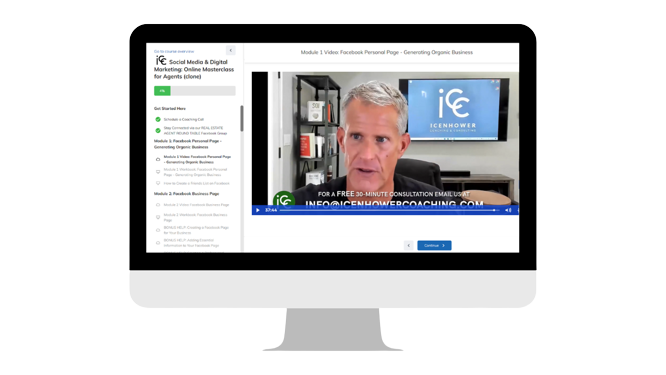
VIDEO: Replacing Yourself as a Real Estate Leader

Avoid the “Shrine to Yourself” Mentality

A common mistake in real estate leadership is building a business entirely centered around yourself. It’s tempting to position yourself as the face of the operation, maintaining all client relationships, handling sales, and generating leads. However, this model isn’t scalable.

Instead, think long-term: build a stable of leaders. Developing other leaders within your organization ensures that your business can thrive even when you’re not involved in every detail. Successful leaders create systems and structures that allow them to step back and let others take charge.

Why Real Estate Leadership Is Unique

Real estate leadership is unlike leadership in other industries. In traditional businesses, leaders have a clear employer-employee relationship. They can hire, fire, and control workflow. But in real estate, the dynamic is more fluid. Agents are independent contractors who can easily switch brokerages or teams. This unique structure requires leaders to motivate and inspire rather than dictate.

Leadership becomes even more critical during market downturns. When sales slow due to seasonal changes, rising interest rates, or inventory shortages, many leaders fall into the trap of diving back into production. While this approach boosts short-term profits, it often detracts from long-term growth. Instead of stepping back into the trenches, leaders should focus on scaling their business and empowering others to lead.

The Roller Coaster of Leadership

In real estate, it’s easy to get caught on the “leadership roller coaster.” During busy seasons or hot markets, leaders feel comfortable delegating responsibilities. They hand off buyers to buyer’s agents and listings to team members, focusing on higher-level tasks. However, during slow times, they often roll up their sleeves and return to production to maintain profitability.

This up-and-down cycle is exhausting and unsustainable. Over time, many leaders burn out and scale back their ambitions. They abandon their dreams of building a passive-income-generating business and return to solo production. This shift often stems from frustration with the challenges of leadership, but it doesn’t have to be this way.

Successful leaders create systems and structures that allow them to step back and let others take charge.

Brian Icenhower

Developing Other Leaders: The Key to Longevity

The solution to the leadership roller coaster lies in developing other leaders. By building a team of capable individuals who can manage and grow the business in your absence, you create a scalable model that doesn’t rely solely on you.

Here’s the truth: successful leaders don’t idolize themselves. They don’t build their brand around their own hustle or work ethic. Instead, they focus on mentoring and evidencing the success of others. By showcasing the achievements of your team members, you attract talented, driven individuals who want to be part of a thriving organization.

As a leader, your goal should be to replace yourself in every role. Create systems that allow your business to function smoothly without your constant involvement. When you step back, you allow others to step up—and that’s when true leadership happens.

The Cashflow Quadrant: A Leadership Framework

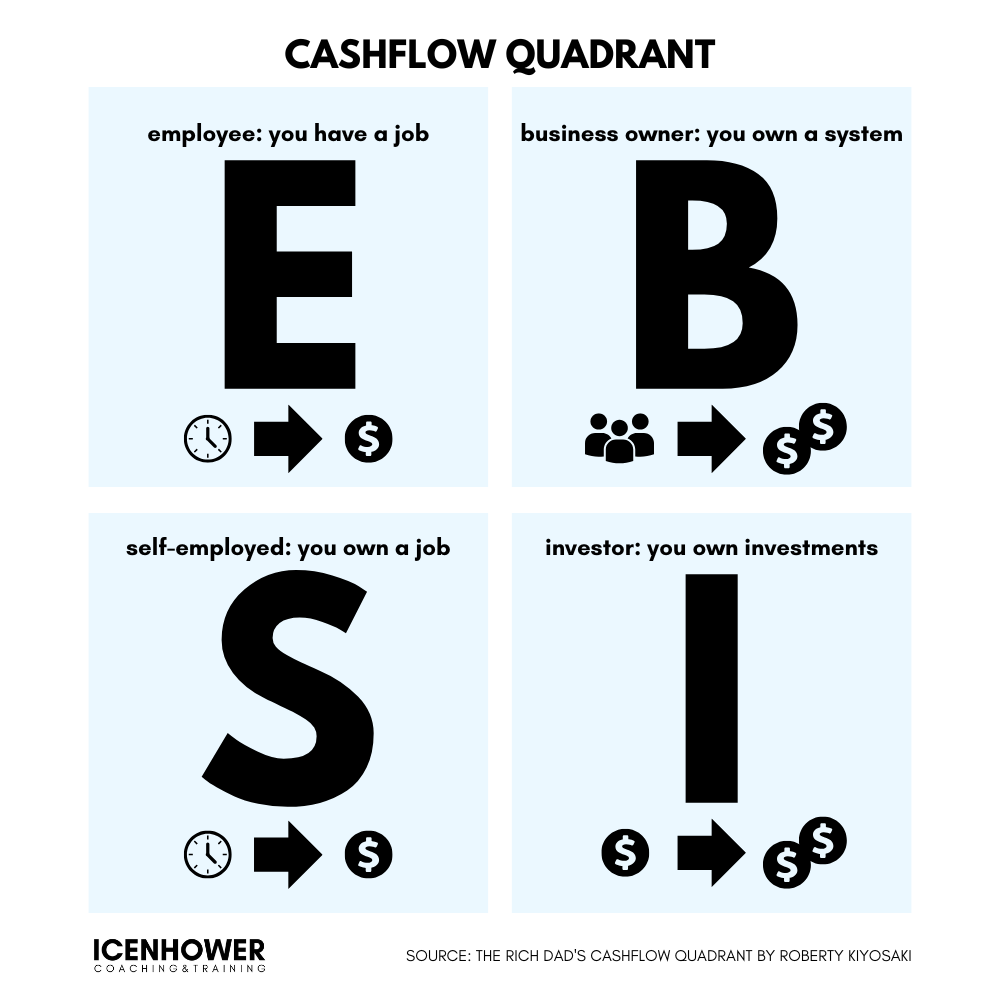
One of my favorite resources for understanding scalable leadership is Robert Kiyosaki’s Cashflow Quadrant. This framework breaks down income generation into four quadrants:

  1. Employee (E): You have a job and work for someone else. Your income is directly tied to your active work.
  2. Self-Employed (S): You own your job. Most real estate agents fall into this category—they control their schedule but still exchange time for money.
  3. Business Owner (B): You own a system that generates income, leveraging other people’s efforts. This is the goal for real estate leaders.
  4. Investor (I): Your money works for you. You generate passive income through investments like real estate, stocks, or businesses.

Many real estate professionals get stuck in the “Self-Employed” quadrant. They work hard, but their income stops the moment they do. Moving into the “Business Owner” quadrant requires building a system that operates independently of you. From there, you can invest your profits to create additional passive income streams.

Cashflow Quadrant - Four Ways to Produce Income

Scaling Your Real Estate Business

To move from “Self-Employed” to “Business Owner,” you need to focus on scalability. Larger teams and brokerages are more stable and insulated from disruptions. For example, if you have three team members and one leaves, you’ll feel the impact significantly. But if you have 40 agents, the business can continue seamlessly despite individual changes.

Scaling your business requires patience, perseverance, and the ability to delegate. Yes, it comes with challenges, but the rewards far outweigh the headaches. A scalable model allows you to avoid the volatility of constantly jumping in and out of production. It also positions you to achieve financial freedom through passive income.

The Importance of Abundance Mentality

Leadership requires an abundance mindset. Instead of holding tightly to every role and responsibility, trust others to step in and succeed. Celebrate their wins and take pride in their growth. Remember, the most successful leaders are those who build other leaders.

When you embrace this mindset, you’ll find more freedom and fulfillment in your career. You’ll move closer to the “Business Owner” and “Investor” quadrants, creating a legacy that extends far beyond your own efforts.

Final Thoughts

Real estate leadership is about more than just managing transactions or leading a team. It’s about creating a scalable, sustainable business that thrives without your constant involvement. By developing other leaders, embracing scalability, and shifting your mindset, you can achieve the ultimate goal of leadership: freedom.

If you’re ready to take your real estate leadership to the next level, start by focusing on the growth and development of your team. Build a stable of leaders, and watch as your business transforms into a thriving, self-sustaining system.

We can help with that. Talk to an ICT coach today about leadership coaching.