-
Quick View
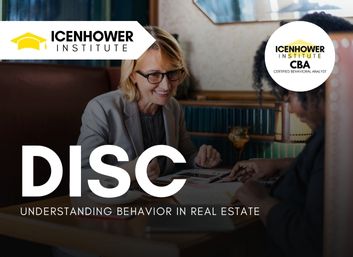
DISC: Understanding Behavior in Real Estate (Icenhower Institute)
ICT Online CourseDISC: Understanding
Behavior in Real Estate
Understand people better and close more deals with DISC.
Learn the DISC behavioral model and how it applies to real estate
Identify client personalities to tailor your communication style
Build stronger relationships with buyers, sellers, and teammates
Strategies to resolve conflict and improve negotiations
Use DISC in recruiting, coaching, and team management
Downloadable DISC charts, worksheets, and training tools
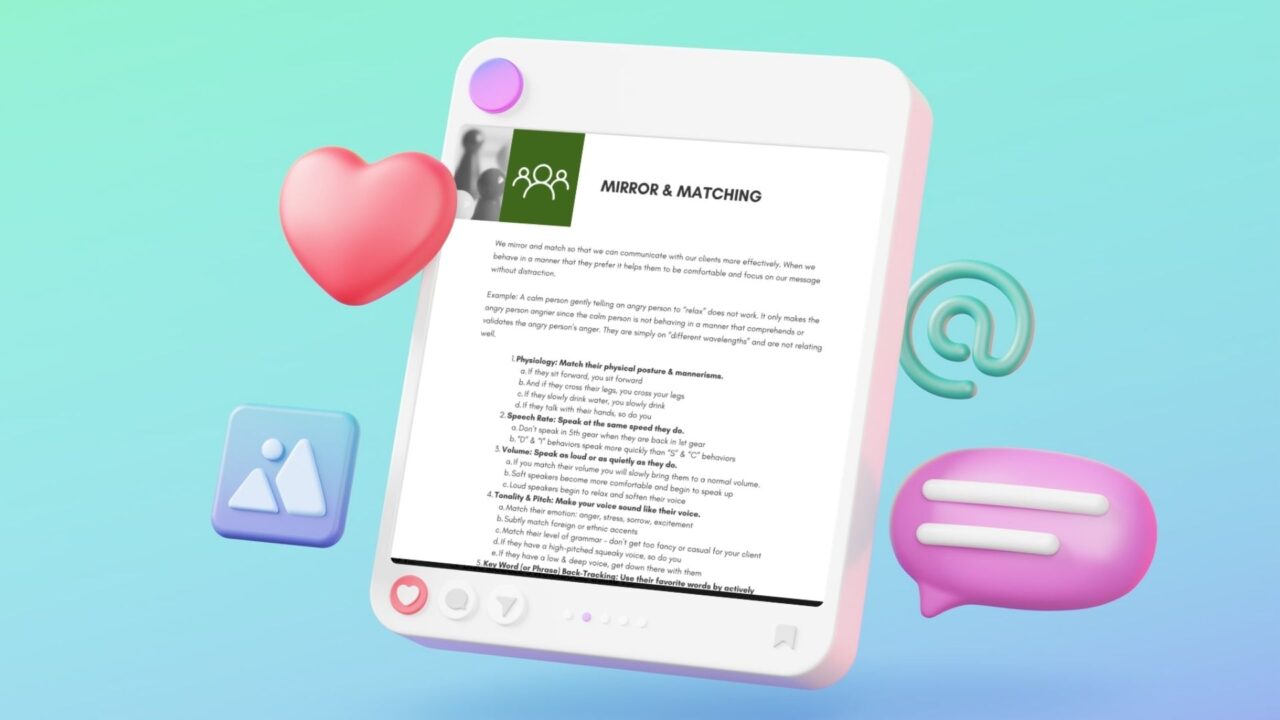
Communicate Effectively
Adapt your approach to match client and team personalities for stronger connections.
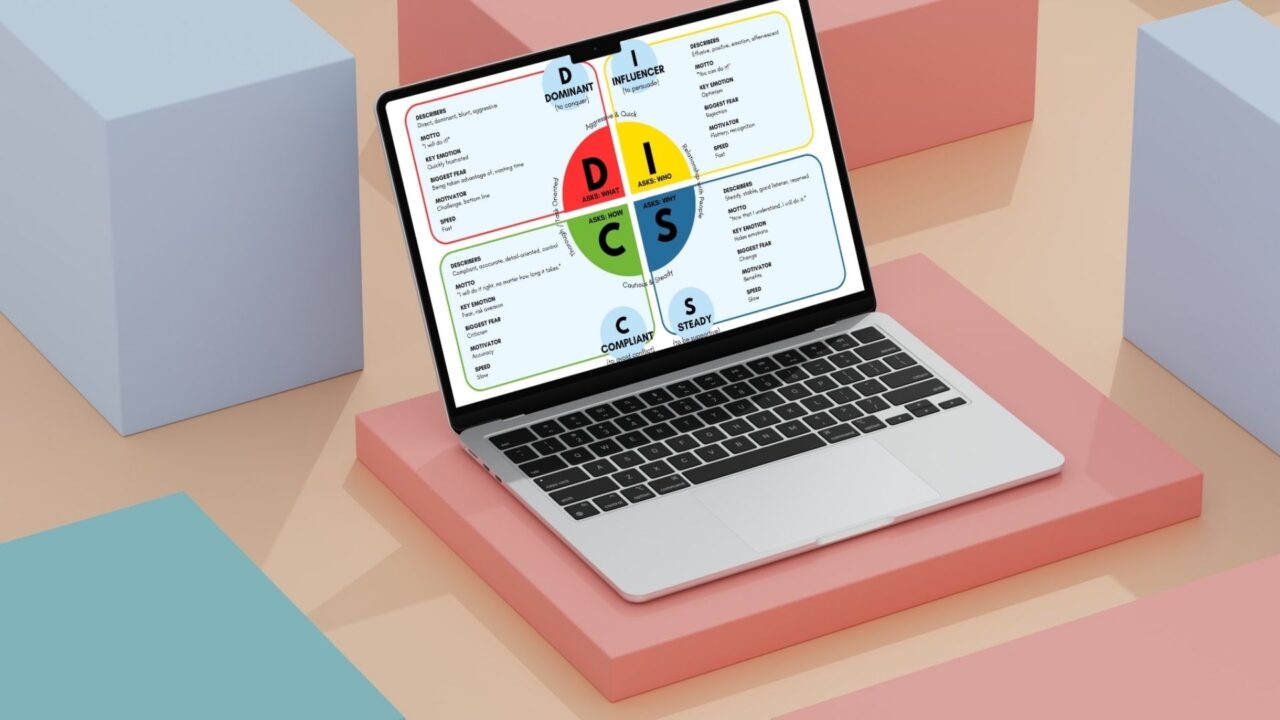
Improve Sales & Negotiations
Use DISC insights to build trust, reduce conflict, and close more deals.
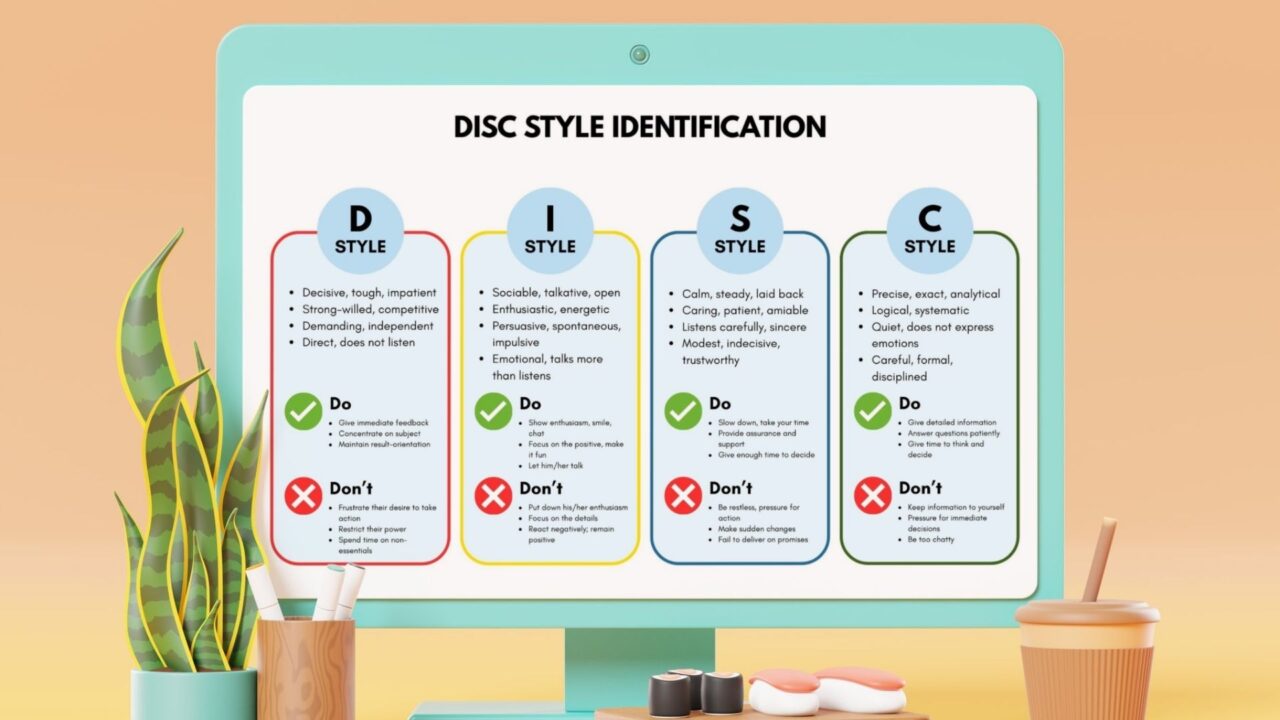
Lead with Awareness
Apply DISC in recruiting, coaching, and managing agents to boost team performance.
Designed for all learning types
Video Training
In-depth video training walking you through each module of the course, explaining the strategies, tips, and best practices for using Canva for real estate agents.
Written Workbook
Detailed and downloadable written workbook that provides you with a bullet point outline, summarized text, action steps, key takeaways, as well as space for taking notes.
Instructor Materials
Teach this course at your organization with the help of our downloadable presentation notes, presentation files, and Instructor's Manual.
Course curriculum
Enrollment includes access to the following course materials for 6 months
Module 1: What is DISC?- Video: What is DISC?
- Workbook: What is the DISC?
- DISC Profiles
- DISC Behavioral Assessment
- Workbook: How to Identify DISC Profiles
- Video: How to Identify DISC Profiles
- DISC Style Identification
- Graphic: DISC Quiz
- Workbook: Mirroring & Matching
- Video: How to Mirror and Match
- Mirroring and Matching Cheat Sheet
- Workbook: Using DISC with Clients
- Video: Using the DISC with Clients
- Workbook: Using DISC with Lead Generation Methods
- Video: Using DISC with Lead Generation Methods
- DISC Behavioral Assessment
- DISC Lead Gen Tendencies
- Workbook: DISC Profiles for Different Real Estate Team Roles
- Video: DISC Profiles for Different Real Estate Team Roles
- Workbook: Training Team Members Using DISC
- Video: Training Team Members Using DISC
About this course
- $299
- 26 lessons
- 2.5 hours of video content
Immediate Takeaways
Here is what you can expect to gain from taking this online course.
- CHARTS that demonstrate the differences between the DISC profiles. Learn what makes a D behavior, I behavior, S behavior, and C behavior, and what makes them different from each other.
- GRAPHICS to illustrate key concepts as they relate to learning about DISC behavioral profiles. You will be able to visualize the differences between the profiles, which will help you identify them as you learn through the course.
- CHEAT SHEET on mirroring and matching DISC behaviors to help you learn how to better communicate with all behavioral styles.
- OPTIONS for how you learn best. Each module provides a downloadable PDF chapter as well as a featured video of Brian Icenhower, teaching the topic at hand. At the beginning of the course, you are also provided with a full audiobook to listen to. So however you learn best -- we have an option for you!
DISC: Understanding Behavior in Real Estate
More about this real estate training course
Reviews
"I use ICT systems, the Icenhower Institute, and the coaching program to coach and train my team of over 30 agents. I use the ICT dashboard systems to keep my entire team accountable for their activities and set proper expectations." Jake Rockwell
Over 500 Units Sold Annually
"I have coached with ICT for over five years. ICT has helped me quadruple my luxury business through marketing strategies so that I receive listings and sales through lead generation and multiple pillars of income."
Jake Rockwell
Over 500 Units Sold Annually
"I have coached with ICT for over five years. ICT has helped me quadruple my luxury business through marketing strategies so that I receive listings and sales through lead generation and multiple pillars of income."
 Dennis Adelpour
Luxury Agent - West Los Angeles
"When we started coaching with ICT we worked all the time with some degree of success. Now, seven years later, we have grown to have the #1 market share in our area, we more than tripled our income and production, while also improving our work-life balance to enjoy our personal life with family and friends."
Dennis Adelpour
Luxury Agent - West Los Angeles
"When we started coaching with ICT we worked all the time with some degree of success. Now, seven years later, we have grown to have the #1 market share in our area, we more than tripled our income and production, while also improving our work-life balance to enjoy our personal life with family and friends."
 Tammi Humphrey
#1 Market Share & 100 Million in Annual Sales Volume
Instructor
Tammi Humphrey
#1 Market Share & 100 Million in Annual Sales Volume
InstructorBrian Icenhower.
Discover the crucial relationship between human behavior and every facet of the real estate business.
This course, DISC: Understanding Behavior in Real Estate, gives invaluable insights into the nature of behavior and how to apply it to everything you do in real estate. You’ll learn to identify different behavioral types and modify your communication style to effectively build relationships with all types of clients, as well as vendors, stakeholders, and all the other people you'll meet in the course of doing business.
Not only will the client leads that you generate significantly increase, but your level of customer service and lead conversion rates will dramatically improve as well. You’ll gain insight on which types of business marketing and lead generation methods are the best fit for your behavioral style, and even how behavior impacts hiring and training within real estate teams.
This course will show you how to harness your strengths while overcoming the behaviors that are holding you back from success.

Harness your strengths.
Understand the people you interact with, and use that information to your advantage with this DISC: Understanding Behavior in Real Estate course.
Add to CartTalk to a coach
If you've been considering hiring a coach, now's the time. Book a FREE coaching consultation session with your purchase of this course! Book Your Call See all courses
-
Quick View
Team Coaching Program
The Team Real Estate Coaching Program is for smaller teams looking for internal structure, leverage and leadership.

Writen By
Brian Icenhower
Brian Icenhower is the Founder & Chairman of Icenhower Coaching & Training (ICT), which provides customized coaching and training programs to many of the highest producing real estate agents, teams, and brokerage owners in North America. This progressive company also produces online courses, podcasts, training materials, white label training portals, speaking events, video modules, and real estate training books. ICC is one of the largest real estate coaching companies in the world with thousands of clients and a large team of the most accomplished coaches in the industry.