What's the best real estate brokerage? Brian Icenhower explains the evolution of the brokerage and the benefits of each model.

Today, I want to address a question I hear often, especially from real estate agents, team leaders, and broker owners: what’s the best real estate brokerage model for agents? This question comes up time and again, and it’s one I love exploring because the answer depends on so many factors.

To help you make an informed decision, I’ll provide a historical overview of real estate brokerage models and discuss how they’ve evolved. We’ll also examine the advantages of different models to determine which might be the best fit for your business.

Be sure to listen to this episode of The Brian Icenhower Podcast and subscribe to the podcast so you never miss an episode!

VIDEO: What’s the Best Real Estate Brokerage Model for Agents?

The Evolution of Real Estate Brokerage Models

Understanding the history of real estate brokerage models is key to appreciating the options available today. Over the past several decades, brokerages have continuously adapted their structures to meet the needs of agents, team leaders, and the real estate industry at large.

The Early Days: 50/50 Splits and Mentorship

In the 1950s and 60s, real estate brokerages followed a 50/50 commission split model. Brokers kept 50% of the commission and provided agents with valuable resources like training, mentorship, and leads. These leads often came from office-generated sources, such as calls from yard signs or advertisements.

Agents would sit “floor time,” taking these incoming leads and learning from brokers how to convert them into transactions. During this period, mentorship and training were highly valued, as agents relied heavily on their brokerage for professional growth.

Icenhower Connect allows team leaders, brokers, and owners to become entrepreneurs by adding integrated mortgage and insurance services their customers and agents already need to their existing real estate business.

The Rise of Competitive Splits in the 70s and 80s

As the industry matured, agents began seeking brokerages offering higher commission splits. By the 1970s, 65/35 or 75/25 splits became more common, giving agents a larger share of the commission. This shift marked the beginning of brokerages competing for agents by offering more favorable financial arrangements.

In the 1980s, RE/MAX disrupted the industry with its “100% commission” model. This concept allowed agents to keep all their commissions after paying a monthly desk fee. Top producers flocked to RE/MAX, as they valued independence and were willing to pay for the privilege of keeping more of their earnings. The model also positioned RE/MAX as the brokerage “where top producers go,” which appealed to experienced agents who no longer needed intensive mentorship.

Keller Williams and the Commission Cap Model: The 90s and Early 2000s

The next major evolution came in the 1990s, when Keller Williams (KW) introduced the commission cap model. Agents paid a percentage split until they hit a predetermined cap, after which they retained 100% of their commissions for the remainder of the year. This innovation allowed agents to maximize their earnings while still receiving training and support.

KW also championed the rise of the real estate team. By offering training and resources tailored to teams, KW became synonymous with team-based real estate success. This era saw many agents move from solo practices to structured teams, taking advantage of KW’s resources and commission cap.

EXP Realty: A Cloud-Based Model

In recent years, EXP Realty has become a dominant force in the brokerage world. EXP combined the commission cap model with a cloud-based approach, eliminating the need for brick-and-mortar offices. By cutting overhead costs, EXP reduced fees for agents and introduced innovative perks like revenue sharing and stock ownership.

Revenue sharing allows agents to earn passive income by attracting others to join the brokerage, creating a new form of compensation beyond traditional commission splits. This model appeals to entrepreneurial agents who want to build wealth through recruitment in addition to real estate sales.

Key Factors to Consider in Choosing a Brokerage Model

With so many options available, it’s important to evaluate what matters most to you as an agent, team leader, or broker owner. Here are some key factors to consider when deciding what’s the best real estate brokerage model for your business:

1. Commission Splits and Caps

The financial structure of a brokerage is often the first consideration for agents. Do you prefer a higher split with no cap, or are you drawn to models with caps that allow you to retain 100% of your earnings after hitting a threshold? Evaluate your production volume and how it aligns with the brokerage’s compensation model.

2. Training and Support

If you’re a new agent or value ongoing professional development, look for a brokerage that offers mentorship, coaching, and training. Some models, like the traditional 50/50 split, prioritize agent development, while others cater to experienced agents who need less support.

3. Technology and Tools

In today’s competitive market, access to cutting-edge technology can be a game-changer. Cloud-based brokerages like EXP have capitalized on this trend, offering virtual tools and platforms that reduce costs and enhance efficiency.

4. Community and Culture

Your success in real estate often depends on the community you build around yourself. Some agents thrive in traditional office environments with face-to-face interactions, while others prefer the flexibility of virtual workspaces. Consider what type of culture will best support your growth.

5. Opportunities for Passive Income

For agents interested in building wealth, revenue-sharing models like those offered by EXP and similar brokerages can be highly attractive. These models reward agents for recruiting others, creating opportunities for passive income and long-term financial growth.

6. Brokerage Reputation and Brand Recognition

The reputation of your brokerage can impact your ability to attract clients. National brands like RE/MAX, KW, and EXP often have widespread recognition, which can lend credibility to your business. However, some agents prefer the flexibility and independence of indie brokerages or team-based models like “Team Ridge.”

The Role of the Agent: Success Is What You Make It

While choosing the right brokerage model is important, it’s crucial to remember that no brokerage will “make” you successful. As an agent or leader, your success depends on your willingness to lead generate, recruit, and build relationships. Changing brokerages won’t solve your challenges unless you’re willing to put in the work to grow your business.

Recruiting, in particular, is one of the hardest—and most rewarding—skills to master. It requires consistency, effort, and a willingness to step outside your comfort zone. Whether you’re recruiting agents to your team or attracting clients, success comes from your ability to extend your influence and add value to others.

Learn more about the Agent Management Portal

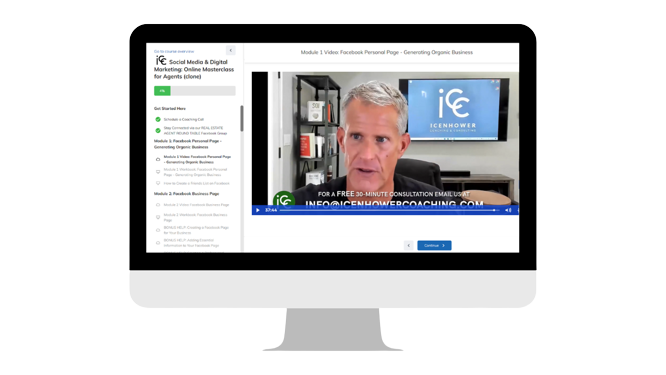
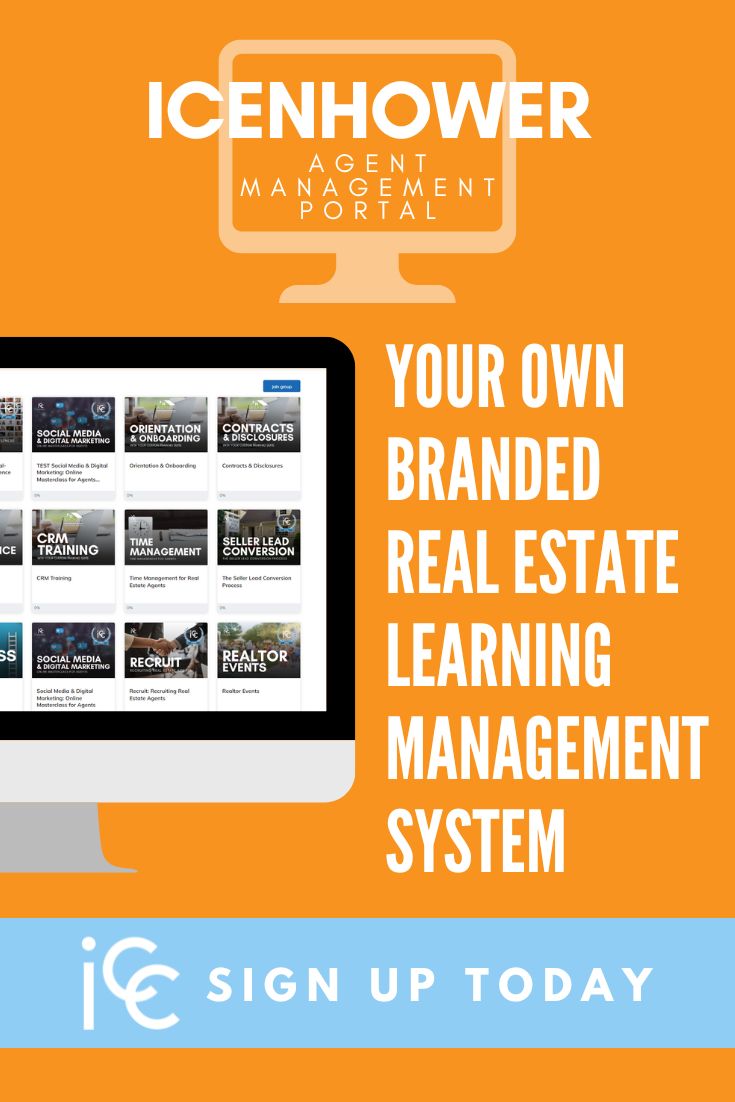
Looking for the best way to add value for your agents? The Agent Management Portal is a powerful learning management system. You get access to all of our state-of-the-industry training materials, as well as tools to help you create your own training content for your agents.

Understanding the history of real estate brokerage models is key to appreciating the options available today.

Brian Icenhower

Final Thoughts on the Best Real Estate Brokerage Model

So, what’s the best real estate brokerage model for agents? The answer is: it depends. Each model has its strengths and appeals to different types of agents. Traditional brokerages provide mentorship and support, while newer models offer innovative compensation structures and opportunities for passive income.

The key is to evaluate your goals, preferences, and business needs. Whether you’re drawn to the flexibility of EXP, the training resources of KW, or the independence of an indie brokerage, the right model is the one that aligns with your vision for success.

Remember, success in real estate isn’t about the brokerage—it’s about you. By committing to lead generation, recruitment, and continuous learning, you can thrive in any environment.

If you’re looking for coaching or tools to grow your business, we at Icenhower Coaching and Training are here to help. Let’s work together to create a plan that drives your success, no matter where you choose to hang your license.