Learn the real estate team manager job description, pay structure, and recruiting playbook that finally lets team leaders step out of production.
If you’re running a real estate team of 10 agents or more and you’re still doing your own production while recruiting, retaining, and managing everyone else — you’re doing two full-time jobs at once. And I’ll tell you exactly where that road leads: burnout.
I’ve coached hundreds of team leaders through this exact stage, and here’s what I see over and over. The agent gets their team to a solid size, production from the other agents finally catches up to (or passes) the team leader’s own numbers, and instead of hiring a real estate team manager to take management off their plate, they just keep grinding. They keep recruiting. They keep retaining. They keep selling. And eventually the agents on their own team start to feel like more of a hassle than they’re worth.
That’s the moment most small teams die. Not because the model doesn’t work — because the leader never builds out a proper real estate team manager job description and hires someone to run it.
Let’s fix that.
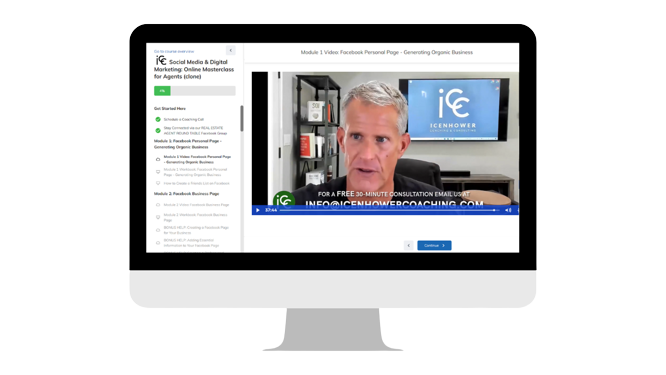
VIDEO: Real Estate Team Manager Job Description & Compensation Structure
When Do You Actually Need a Real Estate Team Manager?
Generally speaking, you’re looking at a team of 10 agents or more before this role makes sense — sometimes sooner, sometimes later depending on price point and production levels. The real signal isn’t headcount, though. It’s when the other agents on your team are producing at a level even with you, the team leader, or getting close to it.
Once you hit that point, you’ve already done the hard part. You’ve hired the admin. You’ve brought on buyer’s agents. You’ve built a functioning team. If you stall out here and keep doing it all yourself, you’re fumbling the ball at the finish line.
Why Team Leaders Avoid Making This Hire
Here’s the trap. A lot of team leaders scale back instead of hiring a manager. They think, “I’ll just keep the production, cut the team down, run with one buyer’s agent and an admin, and get my life back.” And sure — you won’t make that much less money doing it that way. But you also just gave up on the actual goal, which was to get out of production entirely and build a business, not a job.
That’s the difference between the self-employed box and the business owner box. If you’re not careful, you talk yourself into staying self-employed forever because “employees are headaches” and “it’s just easier to do it myself.” I understand the temptation. I don’t respect the decision.
-
Quick View
Leadership Strategies (Icenhower Institute)
$249ICT Online CourseLeadership Strategies
Add to CartLearn how to lead your real estate team or brokerage with confidence, clarity, and vision.
Discover proven leadership models used by top-performing real estate organizations
Learn how to inspire, motivate, and retain high-producing agents and staff
Develop effective communication and accountability strategies for your team
Understand how to set clear expectations and create a performance-driven culture
Gain tools to coach through conflict, manage change, and increase team morale
Includes leadership assessments, meeting templates, and actionable implementation tools

Lead with Vision
Develop a clear direction that aligns your people, systems, and goals.
Inspire Peak Performance
Motivate your agents and staff with proven leadership and accountability models.

Build a Winning Culture
Create an environment where productivity, retention, and growth thrive.
Designed for all learning types
Video Training
In-depth video training walking you through each module of the course, explaining the strategies, tips, and best practices for using Canva for real estate agents.
Written Workbook
Detailed and downloadable written workbook that provides you with a bullet point outline, summarized text, action steps, key takeaways, as well as space for taking notes.
Instructor Materials
Teach this course at your organization with the help of our downloadable presentation notes, presentation files, and Instructor's Manual.
Course curriculum
Enrollment includes access to the following course materials for 6 months
Welcome to Leadership StrategiesWelcome to Leadership Strategies with Rick Fuller
Sign up for the Executive Leadership Round Table Group Coaching Program
Join us at the ICC Regional Summit
Schedule a Coaching Call
Stay Connected via our REAL ESTATE AGENT ROUND TABLE Facebook Group
- VIDEO: How to Scale Your Team
- WORKBOOK: How to Scale Your Team
VIDEO: Leadership Training for Real Estate Team Wanting to Grow
WORKBOOK: Leadership Training for Real Estate Teams Wanting to Grow
VIDEO: Leading With Opportunities, Not Obstacles
WORKBOOK: Leading With Opportunities, Not Obstacles
VIDEO: Real Estate Agent Attraction Recruiting Strategies
WORKBOOK: Real Estate Agent Attraction Recruiting Strategies
VIDEO: Real Estate Leadership Coaching Strategies
WORKBOOK: Real Estate Leadership Coaching Strategies
VIDEO: Viral Team Goals and Activity Based Indicators
WORKBOOK: Viral Team Goals and Activity Based Indicators
VIDEO: Public Accountability and Personal Responsibility
WORKBOOK: Public Accountability and Personal Responsibility
VIDEO: The Power of Dashboards
WORKBOOK: The Power Of Dashboards
VIDEO: Replacing Yourself as a Real Estate Leader
WORKBOOK: Replacing Yourself as a Real Estate Leader
About this course
- $249.00
- 23 lessons
- 5.5 hours of video content
Leadership Strategies
Click to watch more about this real estate training course
Reviews
"I use ICT systems, the Icenhower Institute, and the coaching program to coach and train my team of over 30 agents. I use the ICT dashboard systems to keep my entire team accountable for their activities and set proper expectations."
Jake Rockwell
Over 500 Units Sold Annually
"I have coached with ICT for over five years. ICT has helped me quadruple my luxury business through marketing strategies so that I receive listings and sales through lead generation and multiple pillars of income."

Dennis Adelpour
Luxury Agent - West Los Angeles
"When we started coaching with ICT we worked all the time with some degree of success. Now, seven years later, we have grown to have the #1 market share in our area, we more than tripled our income and production, while also improving our work-life balance to enjoy our personal life with family and friends."
Tammi Humphrey
#1 Market Share & 100 Million in Annual Sales Volume
InstructorRick Fuller.
Raise your leadership skills and develop your leadership strategies to grow your business.
I am so excited about this course, Leadership Strategies.
This is about you raising the lid on your leadership so you can raise the lid on all of your organizations, raise the lid on your ancillaries, raise the lid on your people.
You cannot outgrow your personal development.
Your outward growth starts with your inward development in terms of leadership. This is what this course is all about: raise your leadership skills so that you can grow your business.

Lead your real estate organization with purpose and proven systems.
Enroll in Leadership Strategies to master the frameworks, communication skills, and accountability tools that drive growth and performance. Learn how to lead confidently, coach effectively, and build a culture that lasts.
Start your leadership transformation today.
Add to CartTalk to a coach
If you've been considering hiring a coach, now's the time. Book a FREE coaching consultation session with your purchase of this course! Book Your Call

See all courses
-
Quick View
Team Coaching Program
$1,250 / monthThe Team Real Estate Coaching Program is for smaller teams looking for internal structure, leverage and leadership.
The Real Estate Team Manager Job Description
So what does this person actually do? Here’s how I’d build out the real estate team manager job description if I were you.
1. Recruiting Is the Job — Not a Task on the Job
This is the single most important thing I can tell you: recruiting has to be the number one, bolded line item on this job description. Not “growth director.” Not “business development.” I want this person titled General Manager or CEO — something with enough weight that agents take the meeting seriously and see it as a promotion, not a demotion.
Why the title matters so much: recruiting without authority is brutal. When your general manager is out meeting with agents — especially experienced agents, not just new licensees — they need to walk in as the person who runs the operation, not “the recruiter.” Nobody wants to feel like they’re being pitched by a call center manager.
And you need a diversified agent mix if you ever want to actually step out of production. That means going after agents who’ve already survived 8, 9, 10 years in this business — even if they’re only closing 8 or 9 deals a year. Those agents bring credibility. They make your team feel like a real professional home, not a shop full of new licensees converting online leads.
2. Coaching Comes Second, But It’s What Makes Recruiting Work
Your general manager also needs to genuinely enjoy coaching agents — because the best recruiting doesn’t look like recruiting. It looks like a coaching relationship. Multiple appointments. Real value delivered before anyone talks about splits. That takes patience, and it takes an owner who won’t panic three weeks in because “we haven’t closed anybody yet.”
This is where our agent management portal and onboarding courses do a lot of the heavy lifting — giving prospective recruits a taste of what being coached inside your organization actually feels like before they ever sign anything.
Real Estate Team Manager Compensation Structure
Here’s the part everyone wants to know, and here’s how I build it.
Pay this person on an override, not a big salary. I’m serious about this — don’t pay a large flat salary for this role. Not because I’m cheap, but because a flat salary kills the incentive. Give a manager a salary with no upside, and they’ll spend their week solving office problems instead of recruiting. That’s the single biggest reason this hire fails the first time.
A typical structure looks something like this:
- Override percentage: Somewhere in the 2%–7% range on production from the agents they recruit and manage, with 5% being a common starting point.
- Example split: On a 50/50 team split, the agent still keeps 50%, your general manager gets 5%, and the team keeps 45%.
- New agent ramp: You can also structure it so a newly recruited agent runs at 45% for their first five (or ten) transactions while they’re getting heavier coaching, with the difference funding both the team and the manager’s override.
Run the math and it becomes obvious why recruiting has to stay the priority. A general manager overseeing a 10-agent team might earn around $40,000 a year off overrides in year one. Double the team to 20 agents, and that number moves toward $80,000. The only way this person grows their own income is by growing the team — which is exactly the incentive you want built into the real estate team manager job description from day one.
Why the First Hire Usually Doesn’t Work — And Why That’s Okay
I’ll tell you straight: the first time you hire for this role, it works maybe 20% of the time. That means roughly 75% of first-time hires for this position don’t pan out. Don’t let that number scare you off — it’s the same story as your first admin rarely ending up being your long-term operations director. It’s part of the process.
Here’s the actual failure pattern I see almost every time: the manager stops holding recruiting appointments and starts putting out operational fires instead. There’s always an excuse — an agent problem, a transaction issue, something urgent. Meanwhile, the calendar that should be full of recruiting conversations sits empty.
My rule of thumb: if they’re consistently holding the appointments, I’m not worried, even if nobody’s joined the team after six months. I don’t start getting concerned until closer to the one-year mark with zero appointments actually happening. Recruiting experienced, successful agents is a skill almost nobody in this industry has developed, because almost nobody tries. It takes time to get good at it.
I can tell you from experience — it took me an entire year to bring on my first recruit, and it was somebody’s cousin who happened to be in the office. That’s it. That was the whole first year. But I stayed patient, kept having the conversations, kept building relationships instead of chasing quick wins — and the following year, agents started coming to me by the hundreds. I went on to recruit thousands of agents across my career. It just took that first year of learning the process.
How to Train Your Real Estate Team Manager
Start them on the needs analysis — the same tool we teach in our Recruit course (Module 7, one of our most-used modules). Before they go recruit a single outside agent, have them run this process with every agent already on your team:
- Understand their full production history.
- Get clear on their current business and goals.
- Identify their future pain — what happens if they don’t hit their goals.
- Identify their future pleasure — what changes in their life if they do.
That’s usually a full hour-long conversation, and it’s mostly listening. Once your manager has practiced this internally with your own agents and built real trust with them, send them out to run the exact same conversation with agents outside your office. If they can coach, they can recruit. And if they can recruit, everything else about running your team gets a lot easier.
Watch the Full Training
I go deeper into the compensation examples, the title decision, and the exact recruiting sequence in the full video training — watch it, embedded at the top of this blog.
Your Next Step
If you’re at the point where your team’s production has caught up to yours and you’re still doing both jobs, you don’t need to work harder. You need to hire the right general manager, structure their pay so recruiting stays the priority, and give them patience to learn a skill most people in this industry never develop.
Want help building out this hire the right way? Reach out to Icenhower Coaching & Training; click the button, below, to schedule a free call with an ICT coach.
Video Transcript
Prefer to read along? Here’s the full transcript from this training video.
I’d like to talk about the real estate team manager position. This often happens when a real estate team gets to a level where production from the other agents on the team — not the team leader — is at least even with the team leader. If the team’s other agents’ production is even higher than that, it makes this much easier to do. So you’re usually talking about a team of 10 agents or more. It just depends — price points, things like that. I’m giving you generalities so you can get the ballpark idea.
You should start thinking about it around there, and I’ve seen people go too long with 10 agents. The leader is still doing all their own production, and they’re having to recruit and retain on top of that. So they’re doing two full jobs at once. That’s the reason most small teams fail — they get burned out on it. They’d be better off with one buyer’s agent and an admin, getting rid of everybody, because they got stuck.
When we coach clients through this, it’s important we keep moving them through it, or that burnout will happen. It creeps up, and the agents become more of a hassle than they’re worth. You start keeping all of your production, you scale back slow, you’re not going to make that much less money, but you’re going to get rid of half of your job. All of a sudden you have freedom in life. But the problem is you’re going down the road so many people in so many industries have gone down, where they say employees are just headaches — it’s easier if I do it all myself. Now you’re putting yourself in the self-employed box rather than the business owner box. That dream of actually getting out of production and having someone run the team — you’re letting that ship sail. Not for me. I can’t do it.
That’s really when you get to a team of 10 agents, or a team with enough production coming from other agents, that you’ve already done the hard work. You’ve hired the admin, you’ve brought on the buyer’s agents. And now you’re fumbling the ball right at the finish line.
The finish line is tough to get across, because hiring a good manager lets you step out of two things: management of the team — recruiting and retention, which is a big piece — and generally, that agent also wants to get out of production themselves. That’s a lot. Trying to do both at once is very challenging, because getting out of production is hard in its own way if you’ve never given away your listings before. That’s a trick — don’t do that without a coach. But once you do it, it’ll feel like when you first gave buyers away. You’ll want to give them away again quickly, once you go through it and have to take them back. That’s how most people find it when they bring on their first buyer’s agent. It’s still very tough the first time.
So going through that mental stress, the additional time training listing agents, having them shadow you, and developing your system for letting go — that should be the one thing you’re focused on. You shouldn’t also be hiring, training, and onboarding a manager who’s going to oversee and win the influence of all the agents in the office. So, to me, hiring this person typically comes before letting go of production to listing agents. It doesn’t have to, but I wouldn’t do both at once.
So what does this person look like? Who is the person we’re going to bring on to be our general manager? I’d set this at a very high level — I would not call this person a sales manager. That’s not high level enough to me. I’d call them a general manager, or a CEO. I’m not that excited about “growth director” or “business development director,” titles that get used often.
Why? Because the biggest part of this person’s job description has to be recruiting. And recruiting without the title is extremely hard, because when you’re out there recruiting — especially successful agents, not just new licensees — you need that authority. Recruiting experienced agents is important if you ever want to step out of production, because for a team to get big enough that you can step out, you need a diversified agent mix. You’ll need some successful agents — and by successful, I mean agents who’ve survived in the industry for 10 years, even if they’re only selling eight or nine houses a year. I’m fine with that. You need some of those people to decide to join your organization, because it’s very hard to keep churning new licensees. New licensees are going to be very online-lead-focused, and they’ll have to generate and build their spheres of influence from scratch. They tend to be young and hungry.
Bringing on agents who’ve already received business from their SOI changes recruiting and makes it easier, because now nobody feels like joining your team is a public demotion into a group of telemarketers just converting leads. There are agents out there getting 10 leads a year and happy with that — a secondary income for someone who’s a doctor, say. There’s plenty of those, and they’re viewed with more respect than someone converting online leads like a telemarketer. Nobody wants to do that job — even the telemarketers didn’t want it when they got their license. So you’ve got to diversify your agent mix.
Make sure this person looks the part on the recruiting trail — meeting with agents and saying, “I’m not just the recruiter — that’s the worst title you can have. I’m the person who runs the thing. I’m the person who makes the decisions. I’m not the owner, but I’m in charge of everything.” That’s an important piece that can’t be overlooked. Having that title — general manager is probably the most-used and easiest one to reach for — matters, because if your point is to step out, and you’re hesitant to give this person that much responsibility, you may have the wrong person. The whole point is to step out. Your admin needs to become your COO, running a lot more, and your general manager needs to be your CEO. If you’re going to step out of team management, do it fully — don’t just have them run team meetings.
This creates a lot more credibility. You’re not going anywhere. Your current agents won’t freak out — you’re still around, still in the team meetings, you’re just focusing on your own production. And maybe you start giving them some listings, which will make them happy if you tell them that while this transition is happening.
It’s kind of like when the owner recruits — when the owner recruits, they’re usually very effective, because if they’ve grown a team to that size, they’re influential and people like them. People like that tend to be really good in recruiting. As you’re handing off management of the team, you can still recruit with them every now and then — that works well. But they need to be the primary laboring oar. Every now and then, if it’s a really good, influential agent coming over, get in there and help out. That’s probably your highest and best use as a team leader at that point — more valuable than going on a listing appointment. If someone joins and brings you 10 listings a year without you doing anything, I like that.
Now, the second big thing about this person: they need to really like coaching agents. We don’t want to overdo this, because recruiting is the number one priority, but if we recruit correctly, they’re coaching agents outside the office in every appointment they have. That’s recruiting done for the power of good. We don’t want a shark who sits down, pulls out a presentation packet, and starts comparing splits and costs. That’s not a good recruiter. We want someone who treats the agent population like an agent would treat their sphere of influence — meeting people, not closing them, getting into coaching relationships to demonstrate value over multiple appointments. That takes patience — it takes patience for the owner to see this person having a bunch of meetings and not landing anybody yet, and trust that as long as the meetings are happening, progress is being made.
It requires patience to slowly build trust, respect, and the relationship by delivering value and eventually getting into a real coaching relationship — where the agent trusts that meeting with you will help them sell more real estate. Once there’s value, getting appointments won’t be a problem. Using our agent management portal, giving prospects courses so they get a test spin of what it’s like to be coached in your office — going through courses on increasing production through sphere of influence, farming, agent financials, all of that — adds to the pitch.
So the person you find has to want to coach. But all of this is built on growth, which means recruiting has to be the number one, bolded item on the job description. Their success or failure is going to rise or fall on their ability to recruit.
We typically compensate this person with an override — something like 5% on production, though it could be 2% or it could be 7%. For every agent on the team (not necessarily including the owner), they get that percentage from the agent’s sales. Say your agents are on a 50/50 split: the agent gets 50%, 5% goes to your general manager who recruited and brought them in, and 45% goes to the team. You could also put it on the agent — for their first five transactions, maybe they’re at 45% instead of 50%, since they’re getting coached heavily during that period, which is your new general manager’s job. That way you make sure they’re getting through onboarding courses, attending trainings, building their sphere of influence — tight coaching until they get through their first year or first 10 transactions, so the team doesn’t take such a big hit. You can split it different ways depending on what you need to pay.
Here’s the key: this way, you’re not paying a huge salary for this person — and I do not want you to pay a huge salary for this position. Not because I’m cheap, but because there’s no incentive. If you pay a flat salary, they’ll end up just recruiting a little and solving problems in the office instead. That’s the biggest problem with this hire.
Don’t assume your first hire for this position is going to work — it very rarely does the first time. I’d say it works about 20% of the time on the first go-round. That’s fine — just like your first admin doesn’t always become your operations director. They’ll still move you forward. You’ll learn a ton, you might grow the size of the team. But you’re only compensating based on results.
For example, say they make $40,000 their first year, and you still let them sell real estate too, to help supplement their income — if they sell 15 transactions a year, that’s an extra $40,000 to them. But their real goal is to get out of production and run the team. A team of 10 agents might net them around $40,000. What does a team of 20 agents net them? Probably around $80,000. If they’re not making enough money, they need to grow the team — you can only move the needle so far by increasing your current agents’ production, which is why we can’t let them gravitate there.
That’s the number one reason the first hire doesn’t work — I’d say 75% of the time. It’s because they’re just not having the appointments. We’re not holding them accountable to those appointments, because they’ve always got an excuse — some operational problem, an agent leaving, something else going on — instead of getting out and having recruiting conversations. They need to recruit through those problems. Their skill development improves over time, and their conversion rates on recruiting go up — but it takes time to learn to recruit correctly. There are very few people who have real experience recruiting experienced, successful, influential agents. Most recruiters only recruit brand-new licensees and low producers, and they do it purely by split. Learning how to recruit experienced agents takes time, and they need help along that process.
The key question is: are they holding the appointments? If they are, I’m fine, even if they don’t land anyone for a year. I start to get concerned after a year — six months wouldn’t worry me at all. As long as they’re learning, still setting appointments, staying in relationships, that’s good. It takes some people longer than others. Some of it’s luck, some of it isn’t, some of it just takes time.
I can tell you — it took me an entire year to learn this process. I’m one of the slowest ever, and I’ve recruited thousands of agents across big teams, mergers, and acquisitions. The only person I got that first year was someone’s cousin who happened to be in the office. That was it. But I became one of the most prolific recruiters around, because people were patient with me while I did my job — having the conversations, learning, finding my way. Then it opened up: hundreds of agents a year for decades, because I played it smart, didn’t chase quick wins, and built real relationships. The next year, they all started coming. That patience is very important.
So they have to stay on recruiting — I emphasize it more than everything else — and they’ll become a better in-office coach by coaching agents outside the office before those agents ever join. They’ll need to learn all the different systems and productivity coaching tools, get comfortable with when to interject, when to say, “Have you tried this?” They don’t need to learn everything, but there are certain go-to moves. If you meet someone selling 35 houses a year who’s about to lose their spouse over the workload, you might steer them toward the admin course or the hiring course and coach them on next steps to solve that problem. But most of the time, it’s helping agents with their sphere of influence, farming a neighborhood, and similar fundamentals. Coaching has to be a big part of this role.
The compensation piece is entirely driven off recruiting, though. You can’t just try to get all your current agents selling more — that’s like squeezing blood out of a turnip. It’s not going to happen. They have to meet you halfway, and you can’t control their part. If you start trying to control their part, that’s the fastest way team leaders burn out — yelling at agents, getting frustrated that they aren’t producing, asking why they won’t do what you say. That means you’re squeezing blood out of a turnip. When one of our coaches hears that kind of frustration coming from a client, we quickly refocus that energy into recruiting, because that’s what we can control. We can bring in agents who already have production history — we can look at their track record and know this person brings 10 transactions a year — before you start straining the relationship with your own team.
The first thing I train them on is a needs analysis. We go through the agent’s full past, get into their present business and where they want to go, and their future pain — what happens if they go down this road and don’t hit their goals? Do they have to get out of the business, take another job? Then their future pleasure — what happens if it works? Paying for a kid’s college, buying a bigger house, saving up for rentals. That’s usually an hour-long conversation minimum, mostly listening.
I want them to practice that with every agent already in the office first. Go to every single agent, learn everything that makes them tick, build relationship, find out their goals, build trust. That’s what’s covered in our Recruit course, Module 7 — extremely popular. Even our own coaches have to do this — I meet with every one of our clients beforehand and run a full diagnosis just to build the relationship and trust. Very important.
Once they’ve practiced the needs analysis with the agents already on the team and built those relationships, I let them go out and start practicing it with agents outside the office. It’s a wax-on, wax-off progression — taking them through it step by step. Because if they can coach, they can recruit. And if they can recruit, I’m not really worried about anything else they do. That’s the hardest thing to do in this industry, and it’s the highest-dollar activity you can spend your time on. Good recruiters have no ceiling, especially once they can recruit talented agents.
That’s the play — that’s what covers the real estate team manager job description, duties, and compensation structure. Hope that helps.