The NAR Compliant Organized Sales Process for Real Estate Agents: Your Guide to Client Success
In today’s competitive landscape, having a clear roadmap to guide clients through their real estate journey is more important than ever. Not only does it streamline the experience for everyone involved, but it also ensures you’re operating within the guidelines set forth by the National Association of Realtors (NAR).
Now, some of you might be thinking, “Brian, the real estate world already demands a lot of paperwork and procedures. Why add another layer of complexity to a structured process?”
Believe me, I understand. The difference between running a sales job and a business could be defined in one word: PROCESS. Here’s how it empowers you:
- Deliver exceptional client service: A well-defined system ensures no detail falls through the cracks, keeping your clients informed and involved throughout the entire process.
- Boost your efficiency: A structured approach saves you valuable time and mental energy by eliminating guesswork. You’ll know exactly what needs to be done and when.
- Increase your win rate: When you present a professional and organized approach, you build trust with clients, making them more confident in choosing you as their agent.
- Stay compliant with NAR regulations: A well-defined process helps you navigate the legal intricacies of real estate transactions, ensuring you adhere to NAR’s Code of Ethics and protect your clients’ best interests.
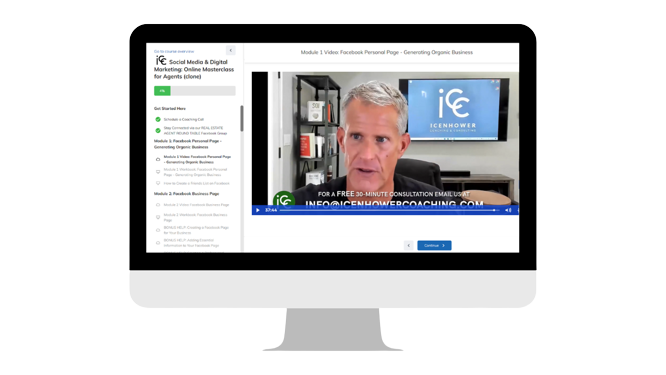
VIDEO: The NAR Compliant Organized Sales Process for Real Estate Agents
Step 1: Prospecting and Lead Generation
The organized sales process for real estate agents all starts with building your client base. Here, your focus should be on attracting qualified leads who are genuinely interested in buying or selling a property. Remember, real estate is a contact sport! The idea behind the organized sales process for real estate agents is not to hit a home run when you get up to bat. Success is found when you move them base to base from a contact to customer to client to contract to close.
There are numerous prospecting strategies you can employ, both online and offline. Here are a few effective tactics to get contacts and build your SOI:
- Develop a strong online presence: Leverage social media platforms like Facebook, LinkedIn, and Instagram to showcase your expertise and connect with potential clients.
- Network actively: Attend industry events, join local business groups, and build relationships with other professionals who might have leads for you.
- Utilize NAR resources: Take advantage of the tools and training offered by the National Association of Realtors to hone your prospecting skills.
- Real Customer: In order to be considered a customer, you must have a real name, real email, and real phone number. (We’ve all seen Mickey Mouse at (555) 555-5555.)
Step 2: Customer Qualification
Not every lead is a perfect fit. Before diving into the details, take the time to qualify potential clients to ensure you’re aligned in terms of goals, expectations, and timelines.
Here are some key questions to ask during the qualification stage:
- What type of property are you interested in (buying or selling)?
- What’s your ideal time frame for the transaction?
- What’s your budget range?
- Have you considered working with a mortgage lender?
Step 3: Client Presentation and Consultation
Once you’ve qualified a lead, it’s time to shine! This is your opportunity to showcase your expertise and build rapport with them. Make that next base hit in the organized sales process for real estate agents by getting them to sign a contract to transition them into being your client.
During the consultation, consider covering the following:
- Market overview: Provide insights into the current market trends, including average listing prices, days on market, and overall buyer/seller activity.
- Your unique value proposition: Explain what sets you apart from other agents and how you’ll specifically help the client achieve their goals.
- The real estate process: Walk them through the steps involved in buying or selling a property, outlining the timeline and key milestones.
- Fees and commission structure: Be transparent about your fees and how you get paid.
Now that you’ve presented your value proposition, it’s decision time! If the client feels confident moving forward with you, it’s time to solidify the relationship with a formal agreement.
For buyers, this typically involves a Buyer Broker Agreement, which outlines your responsibilities as their representative in the search for a new property. For sellers, a Listing Agreement is crucial, detailing your obligations in marketing and selling their home.
Step 4: Pre-Listing/Pre-Buying Activities (Sellers/Buyers)
Once the agreement is signed, the real work begins! This stage involves a series of actions specific to whether you’re working with a buyer or seller. As third base coach, your prepping your client to make it “home” using the organized sales process for real estate agents.
For Sellers:
- Comparative Market Analysis (CMA): Conduct a thorough CMA to determine the most competitive listing price for your seller’s property.
- Marketing Strategy Development: Craft a targeted marketing plan to showcase the property to the right audience. This might involve professional photography, virtual tours, social media promotion, and open house events.
- Home Staging: Help your seller stage their property to maximize its appeal to potential buyers. This could involve decluttering, rearranging furniture, and creating a welcoming atmosphere.
For Buyers:
- Pre-Approval: Guide your buyer through the pre-approval process with a mortgage lender. This will establish their borrowing power and make them more competitive in the market.
- Property Search: Leverage your local market expertise to identify properties that match your buyer’s criteria and budget. Utilize MLS (Multiple Listing Service) resources and conduct personalized property tours.
- Offer Negotiation: When your buyer finds their dream home, you’ll be there to guide them through the offer negotiation process. This involves presenting their offer, strategizing counteroffers, and advocating for your client’s best interests.
Step 5: Transaction Management (Offers, Acceptance, Closing)
Once an offer is accepted, the transaction management phase kicks in. This involves a flurry of activity to ensure a smooth closing process. Here are some key areas to focus on:
- Contract Negotiation: Review and negotiate the final purchase agreement with all parties involved.
- Inspections and Appraisals: Coordinate home inspections, appraisals, and any necessary repairs.
- Loan Processing: Stay in close communication with the lender to ensure smooth loan processing and approval.
- Closing Preparations: Review all closing documents and ensure your client understands the terms and conditions before signing.
“The difference between running a sales job and a business could be defined in one word: PROCESS.”
Rick Fuller
Step 6: Post-Closing Follow-Up
The relationship doesn’t end at closing! Following up with your clients after the sale demonstrates your commitment to their long-term satisfaction. Here are some ways to stay connected:
- Send a thank-you note: Express your gratitude for their business and offer ongoing support.
- Provide market updates: Keep them informed about current market trends in their area.
- Offer referrals: If they know anyone considering buying or selling, let them know you’re happy to help.
By implementing this organized sales process and adhering to NAR compliance, you’ll establish yourself as a trusted advisor and go-to resource for your clients. Remember, a smooth and successful real estate transaction is a win-win for everyone involved. Home runs can be rare but base hits get you in the game.